본문으로 바로가기

This is (Not) Conceptual Art

  • 2026-06-19 ~ 2026-10-11
  • Seoul B1, Gallery 6. 7 / 1F Museum Madang

Exhibition Overview

This is (Not) Conceptual Art
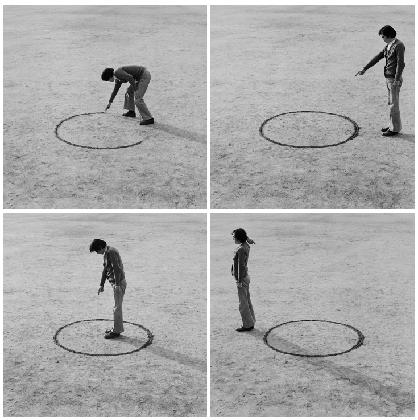
Lee Kun-Yong, ‹Logic of Place›, 1975, Print on paper, 51 × 61cm (4). Photograph by Lee Wanho. Artist Collection. Courtesy of the Artist and Gallery Hyundai.
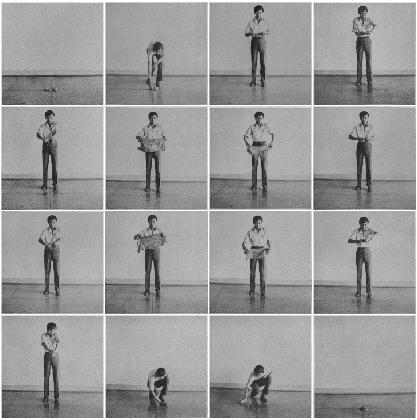
Kim Yongmin, ‹Damp Cloth› performance documentation photograph, 1976 (printed in 2026), C-print, 34 × 34 cm (16). Courtesy of MMCA Art Research Center.
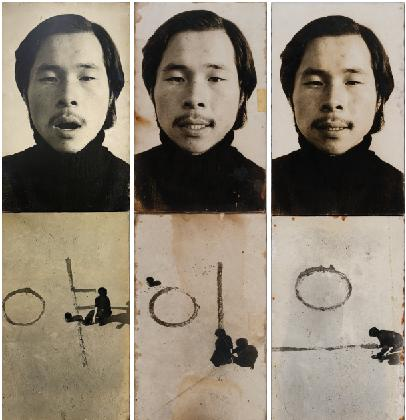
Yoon Jin Sup, ‹Diction›, 1977, Performance photograph, each 90 × 28 × 1.5 cm. Photograph by Sung Neung Kyung and Kim Jungsoo. Artist and Private Collection. Courtesy of the Artist.
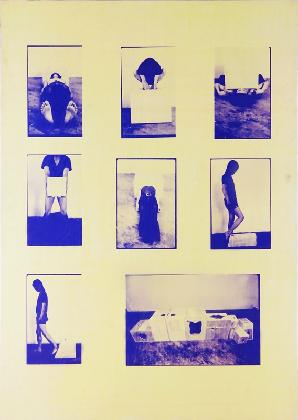
Cody Choi, ‹Modeling for Scamps, Scram›, 1994 (printed in 2026), Print on paper, 123 × 90 cm. Artist Collection. Courtesy of the Artist.
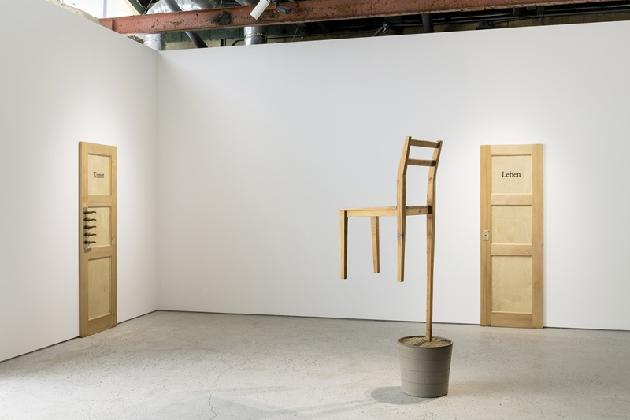
Ahn Kyuchul, ‹Five Questions for an Unknown Artist›, 1991, Wood, iron, flower pot, door, Dimensions variable. Artist Collection. Courtesy of the Artist.
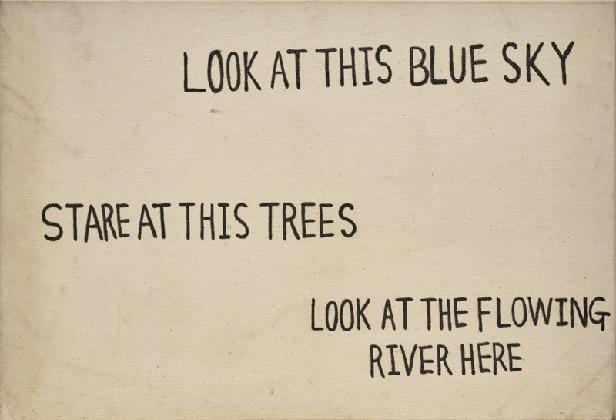
Kim Beom, ‹Landscape #1›, 1995, Marker on canvas, 56 × 81.5 cm. Private Collection. Courtesy of the Artist.
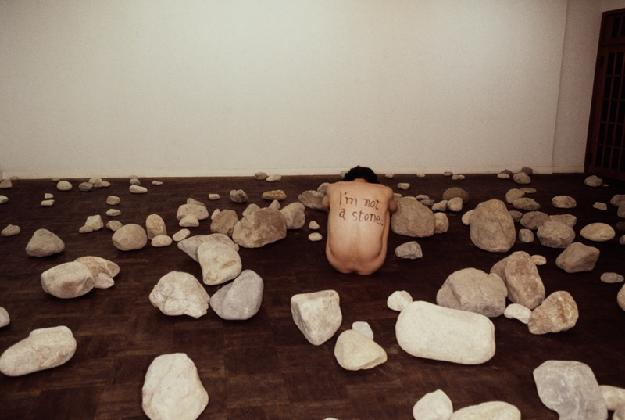
Park Hyunki, ‹Untitled›, 1983, Mixed media, Dimensions variable. Artist’s Estate Collection.
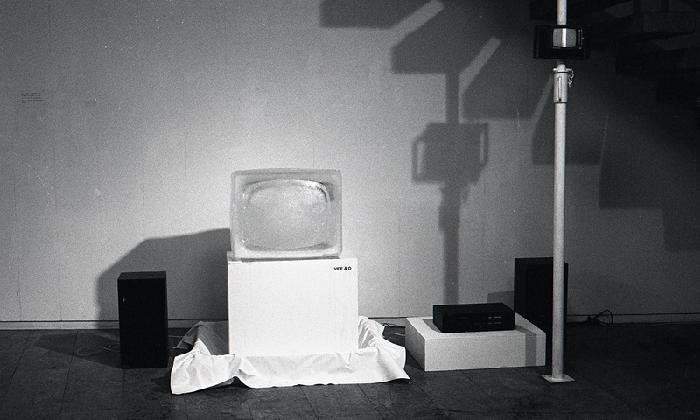
Kim Soungui, ‹Ice Video Concert: Vide & O›, 1989, Installation, Dimensions variable. Artist Collection. Courtesy of the Artist.
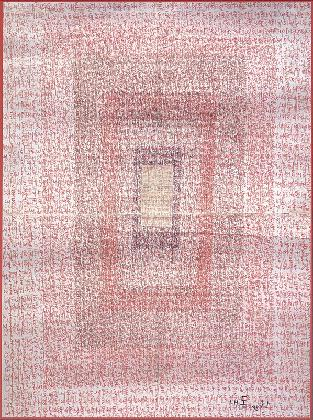
Joo Jaehwan, ‹My Money›, 1998, Colored pencil on paper, 106 × 78 cm. Artist Collection. Courtesy of the Artist.
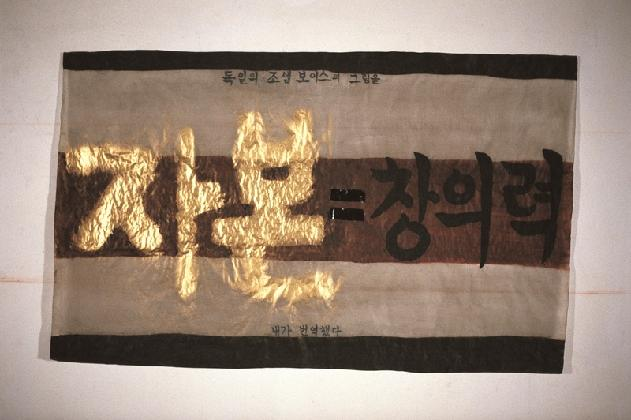
Bahc Yiso, ‹Capital=Creativity›, 1986/1990, Acrylic paint on paper, 50 × 81 cm. Artist’s Estate Collection. Courtesy of MMCA Art Research Center.
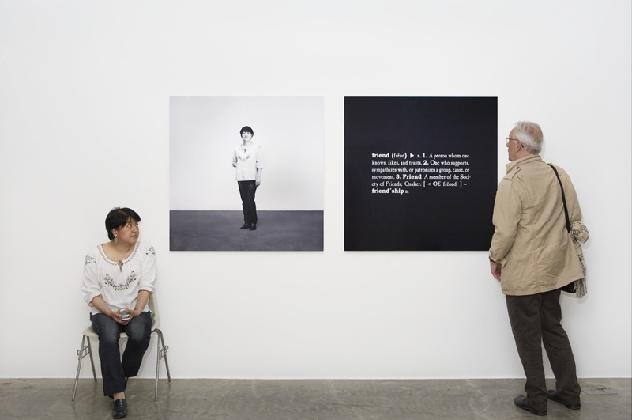
Gimhongsok, ‹One and Three Friends›, 2008, Performance, C-print, 125 × 125 cm (2). Artist Collection. Courtesy of the Artist.
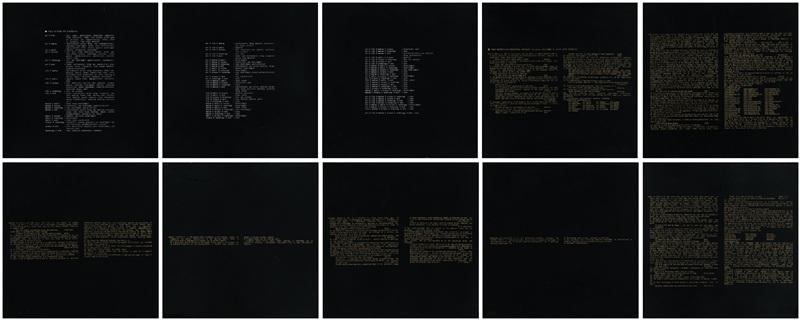
Kong Sunghun, ‹Intersection between Concepts›, 1992, Silkscreen on acrylic box, 40 × 40 × 3 cm (10). Artist’s Estate Collection. Courtesy of the Estate.
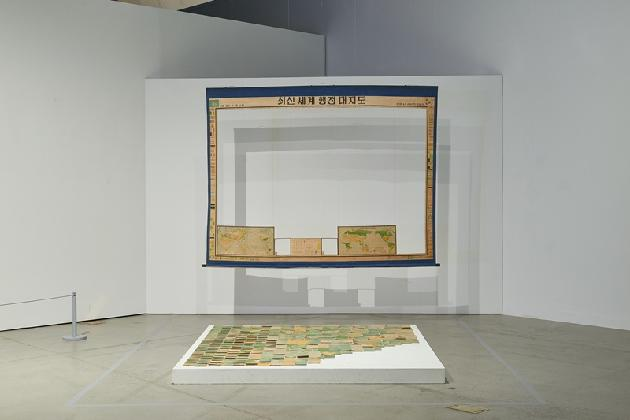
Sung Neung Kyung, ‹An Upside-Down Map of the World›, 1974, Object, world map, 166.5 × 212 cm, 136 × 196.5 cm. Seoul Museum of Art Collection. Courtesy of the Artist and Seoul Museum of Art.
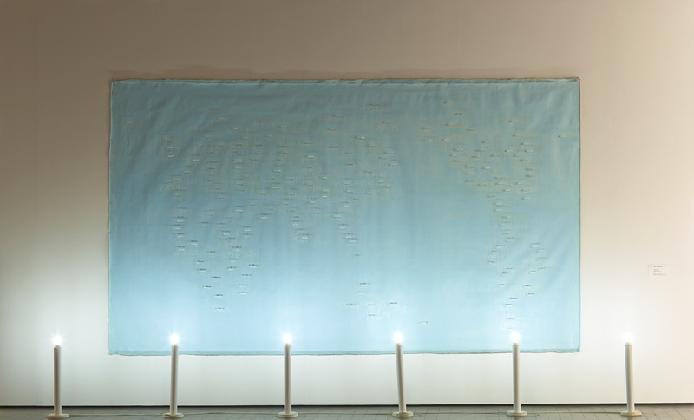
Bahc Yiso, ‹Wide World Wide›, 2003, Acrylic and oil paints, light fixture, paper label on canvas, 265 × 510 × 25 cm. Leeum Museum of Art Collection. Courtesy of Leeum Museum of Art.
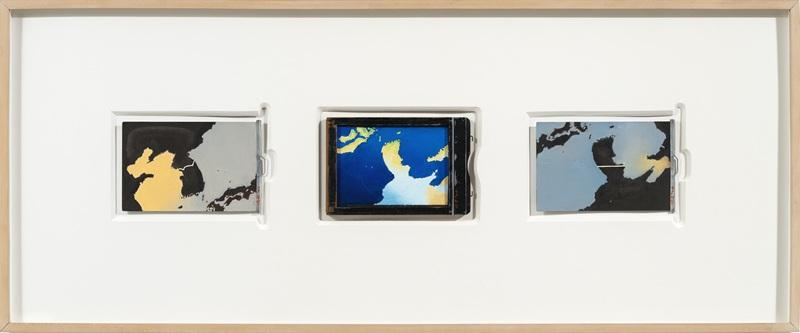
Tchah-Sup Kim, ‹Right Direction (Triptych)›, 1988, Oil paint on view camera film holder, 21.7 × 43 cm. Artist’s Estate Collection. Courtesy of Gallery Hyundai.
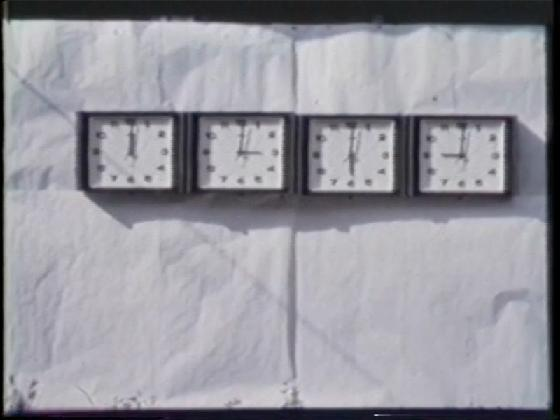
Kwak Duckjun, ‹4 Clocks›, 1973, Single-channel video, color, sound, 6 min. 2 sec. MMCA Collection.
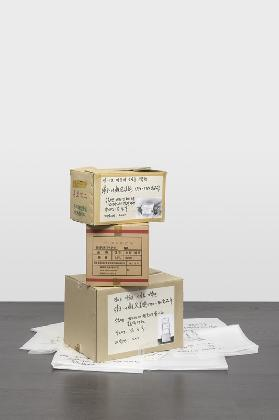
Kim Yong-ik, ‹Untitled (from the 1st Young Artists Exhibition, 1981)›, 1981/2010, Photo, ink, and PE foam on packaging box, Dimensions variable. Photograph by Chunho An. Artist Collection. Courtesy of the Artist and Kukje Gallery.
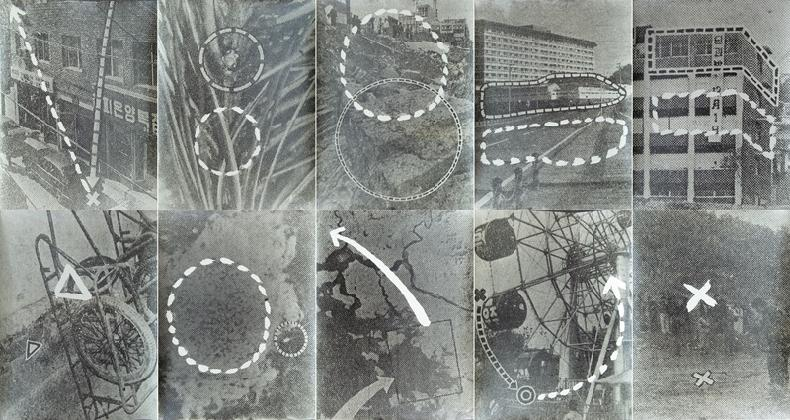
Sung Neung Kyung, ‹Venue 1›, 1979, Gelatin silver print on paper, 60.5 × 46 cm (10). MMCA Collection.
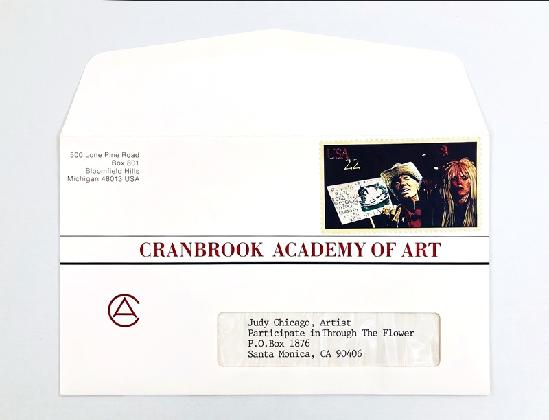
Yoon Dongchun, ‹Your Voice Is Power›, 1987 (printed in 2026), Silkscreen, photo collage, copy, each 83.5 × 97 cm. Artist Collection. Courtesy of the Artist.
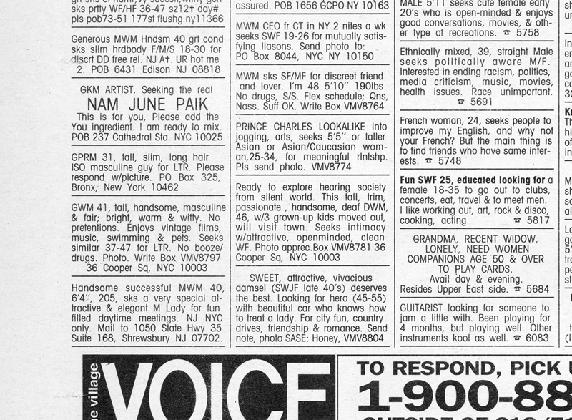
Inhwan Oh, ‹Personal Ads›, 1996, Personal ads published in The Village Voice, each 28 × 36 cm. Artist Collection. Courtesy of the Artist.
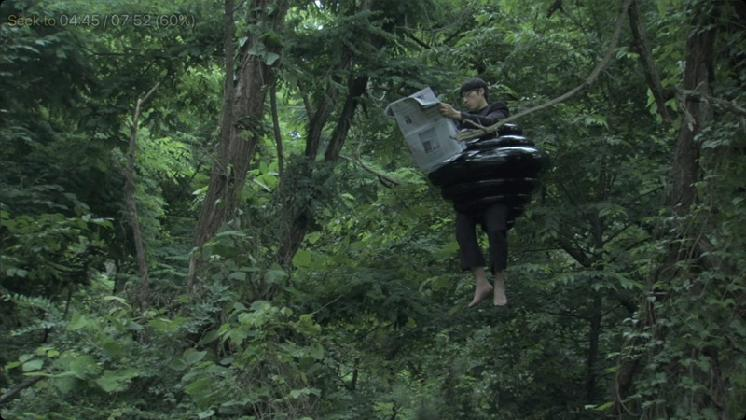
Kim Sora, ‹2007-04-03 (Scene No. 1. Mr. Spider in a Suit: Presentiment of a New Era)›, 2007, Single-channel video, color, sound, 7 min. 48 sec. Maeil Holdings Co., Ltd. Collection.
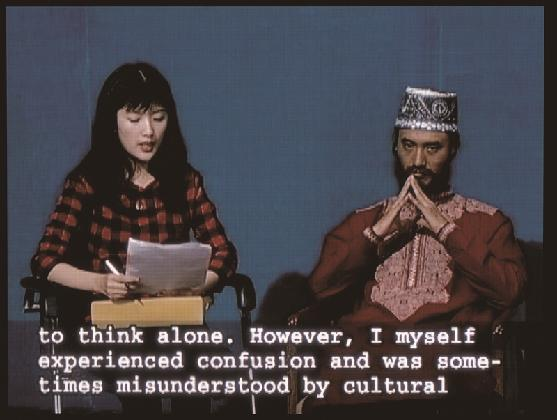
Gimhongsok, ‹The Talk›, 2004, Single-channel video, color, sound, 26 min. 9 sec. Artist Collection. Courtesy of the Artist.


“Conceptual art” is generally understood as art that emphasizes the artist’s ideas or concepts over the outward appearance or material form of an artwork. In the mid-1960s, conceptual art reintroduced the element of language, which had largely been excluded from the opticality of modernist painting. It came to be recognized as a form of art that posed fundamental questions about the nature of “art” itself while encouraging linguistic thought and philosophical speculation.


This is (Not) Conceptual Art is an exhibition that explores the conceptual turn in Korean contemporary art, in which the focus of art shifted away from visually perceived objects toward language and thought. In Korea, conceptual art emerged within the context of experimental art in the late 1960s, while the 1970s and 1980s saw the development of intellectual practices that explored the essence and existence of art through linguistic and logical experiments. Around the 1990s, conceptual art or conceptualism was invoked as a methodology and attitude for rethinking reality through the simultaneous engagement of language, concepts, materiality, and form. This transformation coincided with the changing understanding of conceptual art, as its focus shifted beyond North America and western Europe toward a more “global conceptualism” operating within the social, political, and economic contexts of regions such as Latin America, Eastern Europe, and Asia. In this respect, the exhibition offers an opportunity to explore the contemporaneity of Korean conceptual art within a broader process of international diversification.


Indeed, a number of related terms surfaced within the currents of Korean contemporary art, including gaenyeom misul (conceptual art), gaenyeomjeok misul ​(conceptually oriented art), and gaenyeomjuui (conceptualism). As the title This is (Not) Conceptual Art suggests, the exhibition explores the possibility of interpreting conceptual art not as a single reductive category, but as a broader field encompassing multiple forms manifested across different works. In this context, the four sections of This is (Not) Conceptual Art—“Language, Logic, Performance,” “Objects and Language,” “Mapping and Measuring,” and “Manipulators of Signs”—interpret works of conceptual art not simply as a history of dematerialization, but as complex attempts to consider human beings and the world anew in relation to Korea’s historical contexts. Part of the significance of reexamining Korean conceptual art from today’s vantage point lies in its potential to help the viewers to perceive and contemplate the world differently while examining the essence of art within an era of overabundant capital, markets, and visuality.

  • Period
    2026-06-19 ~ 2026-10-11
  • Organized by/Supported by
    (Organized by) National Museum of Modern and Contemporary Art; Korea (Sponsored by) Membership Society for MMCA, Korea (Supported by); Hankuk Paper
  • Venue
    Seoul B1, Gallery 6. 7 / 1F Museum Madang
  • Admission
    2,000 won
  • Artist
    Ahn Kyuchul, Bahc Yiso, Choi Byungso, Chung Seoyoung, Cody Choi, Gimhongsok, Hong Myung-Seop, Inhwan Oh, Jo Kyoungsook, Joo Jaehwan, Kim Beom, Kim Kulim, Kim Sora, Kim Soungui, Kim Tchah-Sup, Kim Yong-ik, Kim Yongchul, Kim Yongmin, Kong Sunghun, Kwak Duckjun, Kyojun Lee, Lee Kun-Yong, Lee Seung-taek, Park Hyunki, Sung Neung Kyung, U Sunok, Yoon Dongchun, Yoon Jin Sup
  • Numbers of artworks
    Approximately 140 works and archival materials

Audio Guide

#1. Welcome Hello, visitor, and welcome to the exhibition ‹This is (Not) Conceptual Art›! Conceptual art is understood to mean art that emphasizes the artist’s ideas and philosophy. During a period not too distant from the development of Western conceptual art starting in the mid-1960s, Korean contemporary art began embarking on its own conceptual experiments in the late 1960s. The core of conceptual art lay in an approach that did not seek to identify the essence of art in terms of a world’s outward appearance or visual outcome. Instead, it was about seeing the ideas and concepts themselves as the essential aspects of art. In that sense, artists were not interested in technical proficiency or the importance of materials. Rather than focusing solely on visual beauty or forms, conceptual artists invoked elements of language and thought. But a characteristic aspect of Korean conceptual art is that it did not simply remove materiality outright or reduce the artwork to a purely linguistic system. Instead, it unfolded in ways that simultaneously considered materials and forms alongside thinking based on language and concepts. When art emphasizes concepts in this way, it typically demands a different sort of perspective and method of appreciation from the viewer. Sometimes, it may leave us in confusion, asking ourselves the question, ‘How is this art?‘ Yet it also calls on you, the viewer, to become not just a consumer of the visual but a partner in the active contemplation of art’s essence. So let’s step inside the doors that conceptual art opened up and join in completing the meaning of the works on display.
Welcome

1.Welcome

Previous There are no more posts to show
Next There are no more posts to show